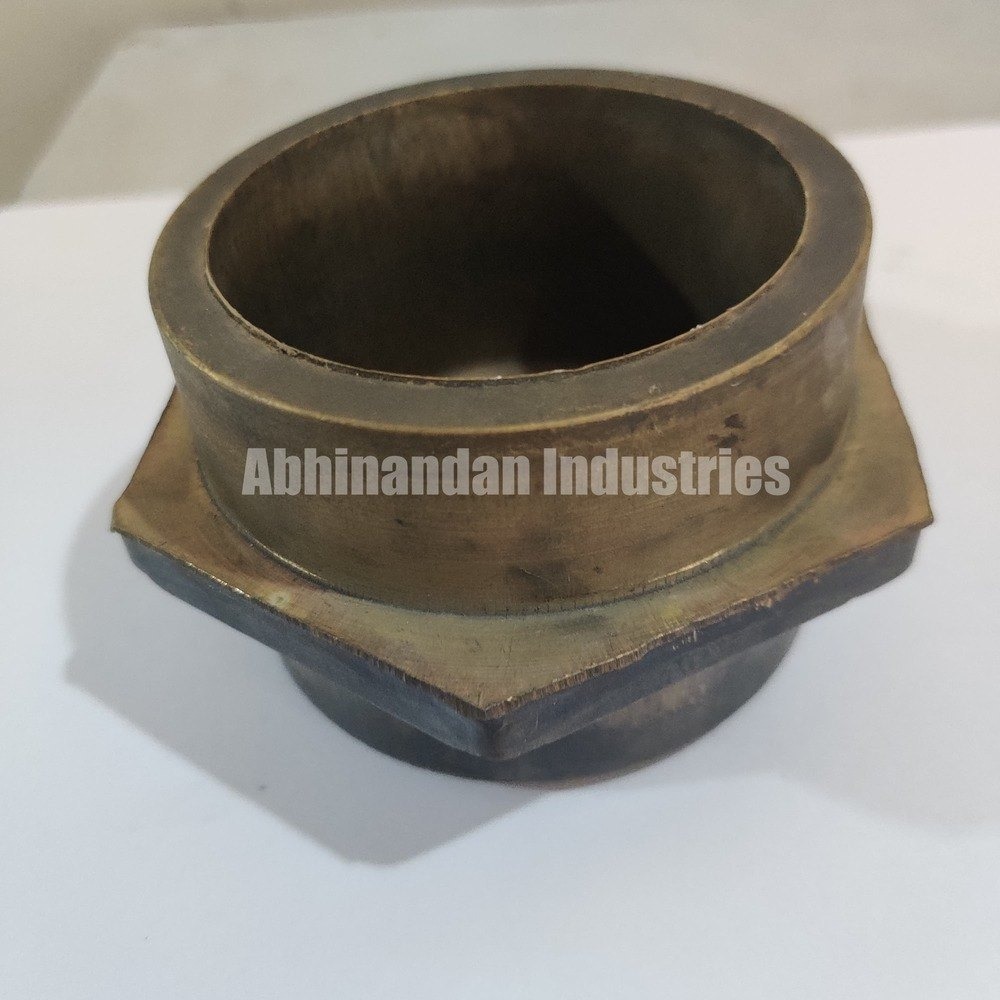
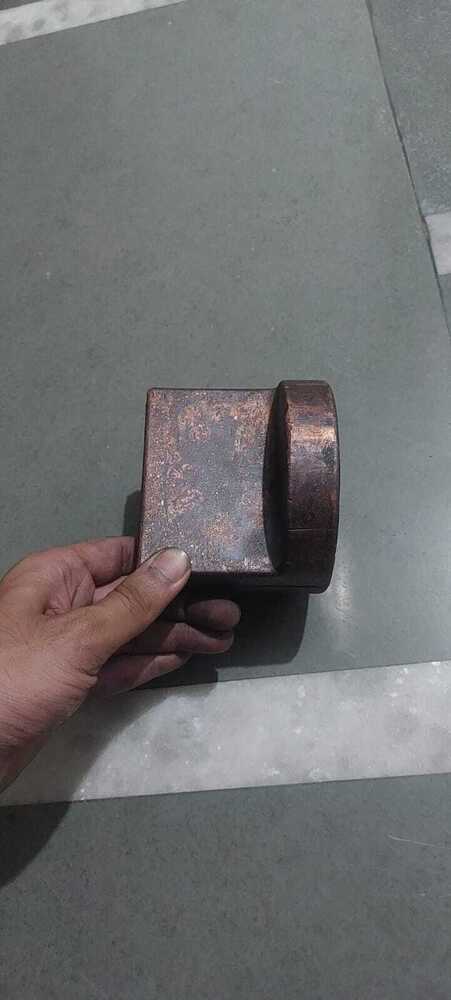
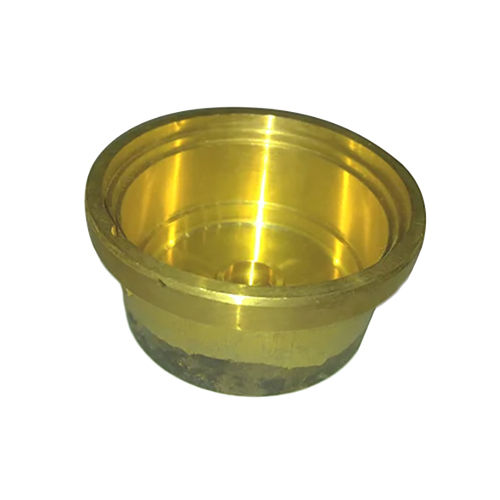
About brass forging parts
Industrial Applications: Brass forging parts are used in various industrial applications, including:
Plumbing Fittings: Brass forging parts are used in plumbing fittings, valves, and pipes due to their corrosion resistance and durability.
Automotive: Brass forging parts are used in automotive applications, such as fittings, fasteners, and other components.
Electrical Components: Brass forging parts are used in electrical components, such as connectors, switches, and sockets.
Hydraulic Fittings: Brass forging parts are used in hydraulic fittings and systems due to their strength and resistance to corrosion.
Versatile Applications Across IndustriesThese brass forging parts are engineered to meet the rigorous demands of various sectors, including automotive, electrical, plumbing, and industrial machinery. Their adaptability comes from customizable sizing and threading, allowing seamless integration into both standard and specialized assemblies.
Advanced Manufacturing Techniques and PrecisionEmploying hot forging and drop forging, we produce components with exceptional structural integrity. Modern CNC machining ensures tight tolerances-up to 0.01 mm-matching exact specifications provided by the client through drawings or samples. This guarantees optimal performance and compatibility.
Premium Materials and Finishing OptionsConstructed from top-grade brass such as CZ121, CW617N, and IS 319, our parts are available with a choice of surface finishes: polished, nickel-plated, or chrome-plated. The items maintain hardness between HB 80-120 and can be offered in natural brass, gold, or customized colors, delivering both durability and aesthetic appeal.
FAQ's of brass forging parts:
Q: How are brass forging parts manufactured for specific applications?
A: Brass forging parts are produced using hot forging or drop forging techniques, allowing precise shaping and enhanced strength. We then use CNC machining for detailed features, achieving tolerances as tight as 0.01 mm. Each part is tailored to customer drawings or samples, ensuring suitability for automotive, electrical, plumbing, or industrial uses.
Q: What thread types and sizes can these brass forging parts accommodate?
A: Our brass forging parts support a wide variety of thread types, including Metric, BSP, NPT, UNC, and UNF, depending on project requirements. The size and threading are fully customizable based on client specifications or provided samples, allowing seamless integration into different assemblies.
Q: When is it beneficial to use brass forging parts over other materials?
A: Brass forging parts offer significant benefits when high corrosion resistance, thermal stability (up to 300C), and long service life are crucial. They are especially advantageous when low lead or lead-free options are needed due to regulatory compliance or health considerations.
Q: Where are your brass forging parts manufactured and shipped from?
A: All of our brass forging parts are manufactured in India, adhering to international standards like DIN, ASTM, BS, JIS, and ISO. We offer export-worthy packaging or custom packing based on customer preferences to ensure safe global shipment.
Q: What is the process for ordering custom brass forging parts?
A: To order custom brass forging parts, clients provide detailed drawings or samples, specifying desired materials, thread types, finishes, and other particulars. Our engineering team works closely with the customer to finalize the design, then manufactures, finishes, and packages the parts for delivery.
Q: How do you ensure the quality and reliability of brass forging parts?
A: We utilize high-quality brass alloys such as CZ121, CW617N, or IS 319, and manufacture according to strict international standards. Rigorous quality checks-including material composition, dimensional accuracy, and surface finish-are conducted before parts leave our facility.
Q: What are the main usage benefits of your brass forging parts?
A: Our brass forging parts are prized for their excellent resistance to corrosion, high mechanical strength, precise tolerance, and adaptability to various finishes and sizes. This makes them suitable for demanding environments in automotive, Electrical, plumbing, and industrial applications, offering longevity and reliable performance.





 Send Inquiry